
Beach information
Pearl Beach is not a patrolled beach. Advice from Royal Life Saving Australia is to never swim at unpatrolled beaches. There are no lifeguards on duty at Pearl Beach to assess conditions, identify hazards such as rip currents, or assist in an emergency.
There have been fatal drownings at Pearl Beach in 2014 and 2021. These tragedies had a profound impact on families and the wider community. The Pearl Beach Progress Association is committed to ensuring all visitors understand the risks and take safety seriously.

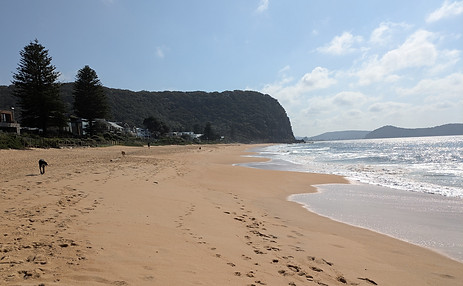
Why Pearl Beach can be dangerous
Pearl Beach differs from nearby beaches such as Umina Beach and Ocean Beach due to its shape, orientation, and sand composition. The beach is typically steep, with deep water close to shore. While waves may often appear small, conditions can change quickly.
At times, strong east and southeast swells create a powerful and hazardous shorebreak. This can be particularly dangerous for children and older adults. The middle to northern end of the beach is known to be especially dangerous.

If you do choose to swim, follow the below advice:
-
Check for hazards such as shorebreaks, rip currents, and submerged rocks before entering the water
-
Never swim alone and always let someone know your plans
-
Keep children within arm’s reach at all times
-
Avoid swimming at night or in deep water
-
Do not swim under the influence of alcohol or drugs
-
Only enter the water if you are confident in your swimming ability
Your safety is your responsibility. Please take these warnings seriously and make informed decisions.
Fishing in Pearl Beach
Pearl Beach is a popular location for fishing. Please check the NSW Fishing Rules and Regulations to ensure you are complying with license and catch restriction requirements. These rules are in place to ensure preservation of our marine environments.
Pearl Beach is also a popular destination for rock fishing. When rock fishing in a declared area in NSW, which includes both the north and south ends of Pearl Beach, you are required by law to wear an appropriate lifejacket, this also includes children and anyone helping you fish. Find out more information and safety tips for rock fishing in NSW here.